
Waterless Geothermal lets you directly exchange thermal energy with the earth to heat or cool your home.
The Waterless® DX geothermal system moves heat energy to and from the earth through a closed loop of environmentally-friendly refrigerant. The system uses buried copper tubing to exchange heat energy to and from the ground delivering hot or cool air into your home. Refrigerant circulates through the ground loops and the indoor heat exchanger while the indoor air handler pushes the conditioned air through the home.

Big Savings
One of the biggest benefits of installing geothermal is the opportunity for big savings—both upfront and for years to come. With a 30% geothermal rebate, you can significantly reduce the initial cost of installing a qualifying geothermal system. There also may be additional state, local, utility, or energy-efficiency incentives may also be available, creating even more opportunities to save.
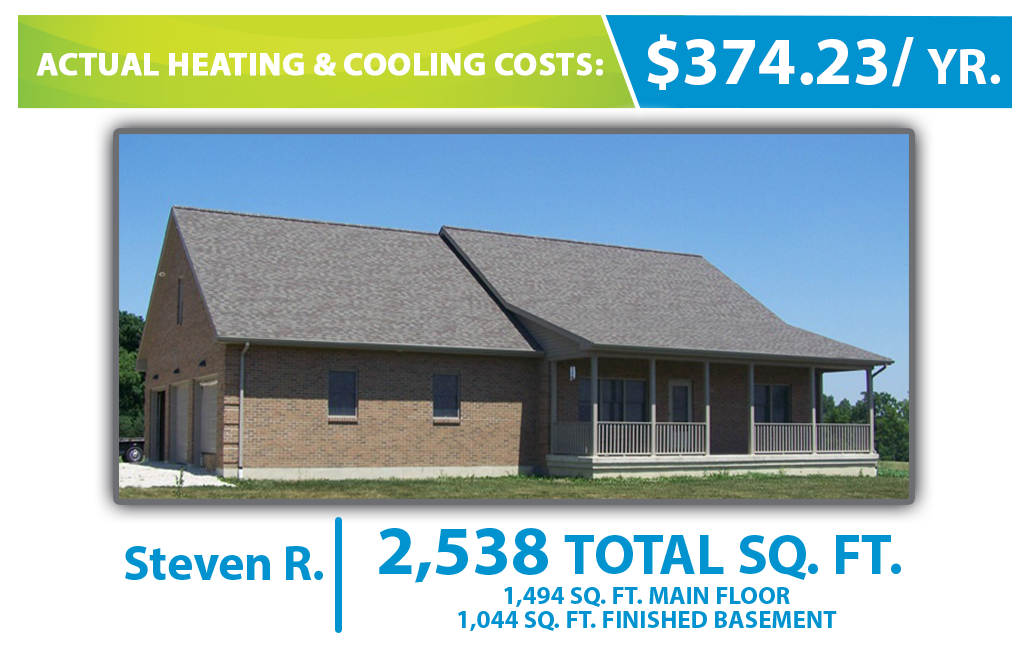
The savings continue long after installation. Because geothermal systems use the stable temperature of the earth to heat and cool your home, they can dramatically reduce monthly heating and cooling costs compared with many conventional systems. Over time, those lower energy bills can help offset your initial investment while continuing to put money back in your pocket year after year.



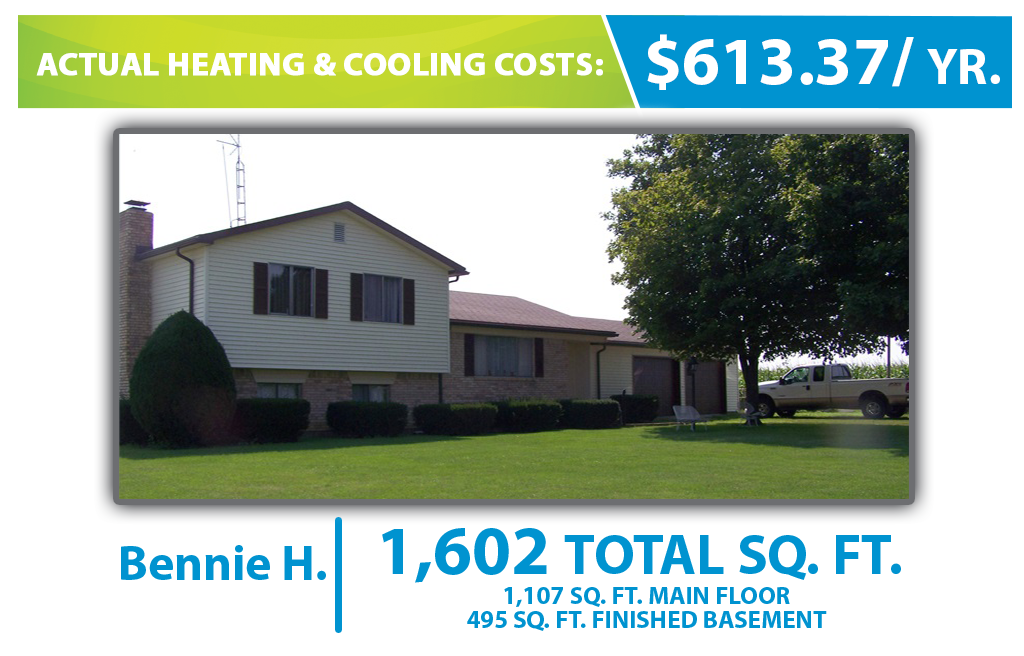




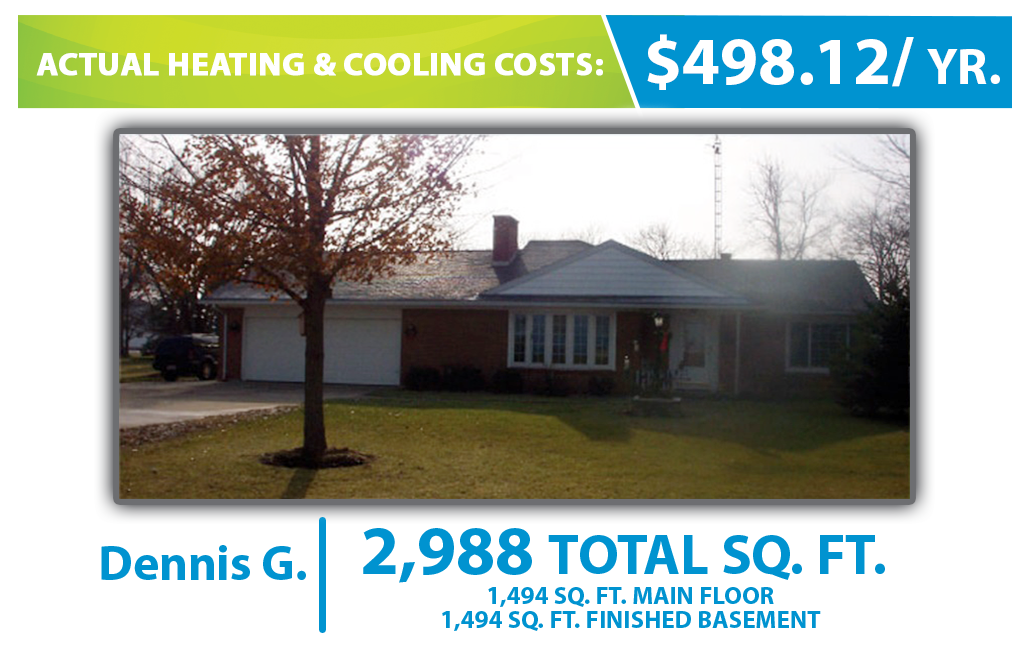
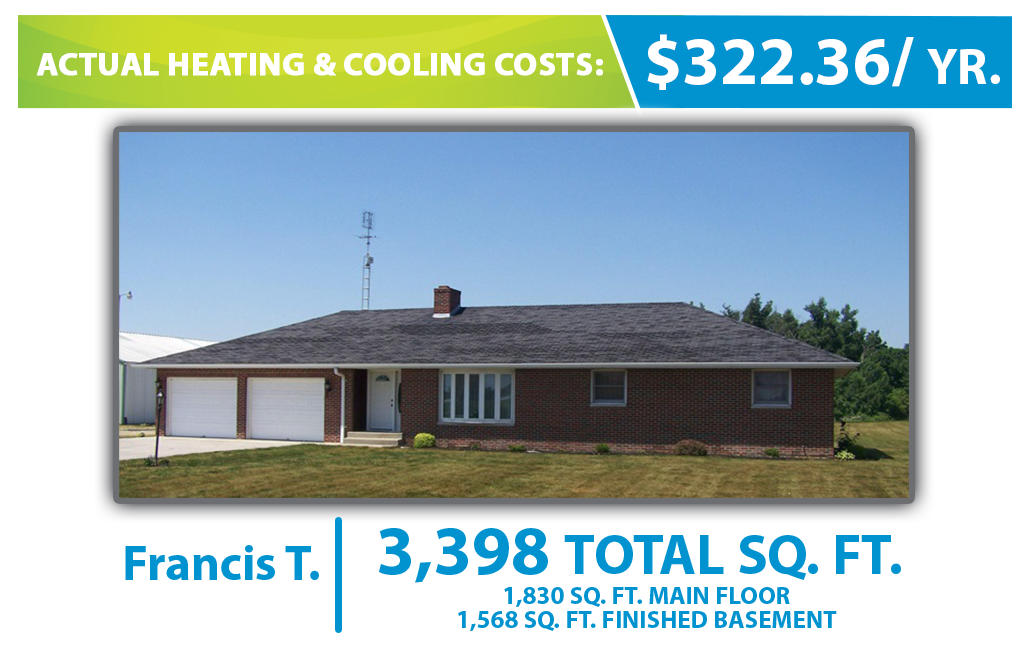
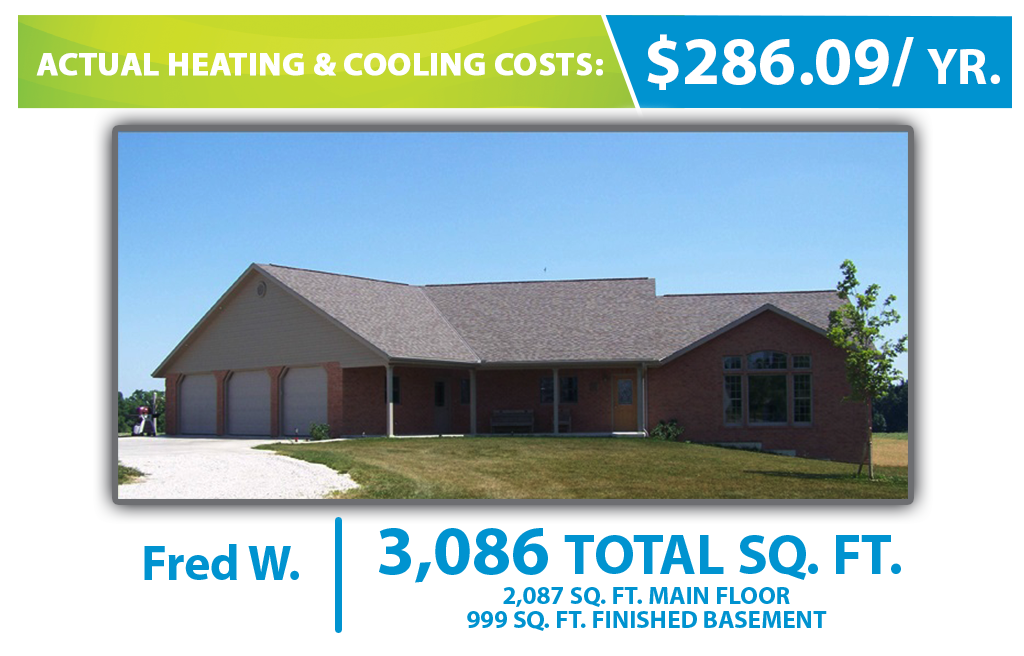

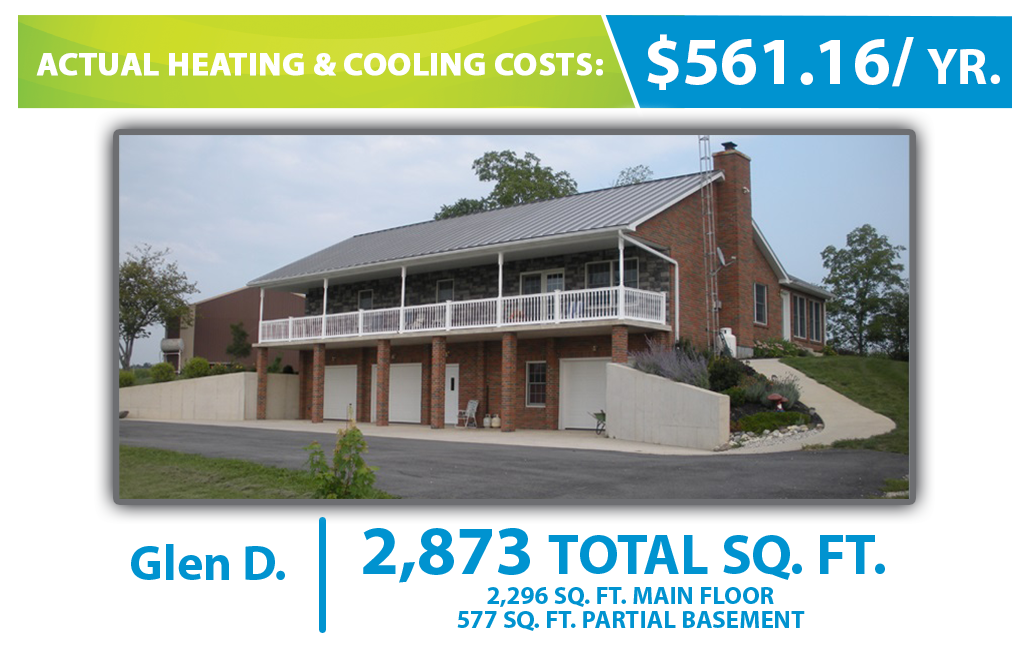






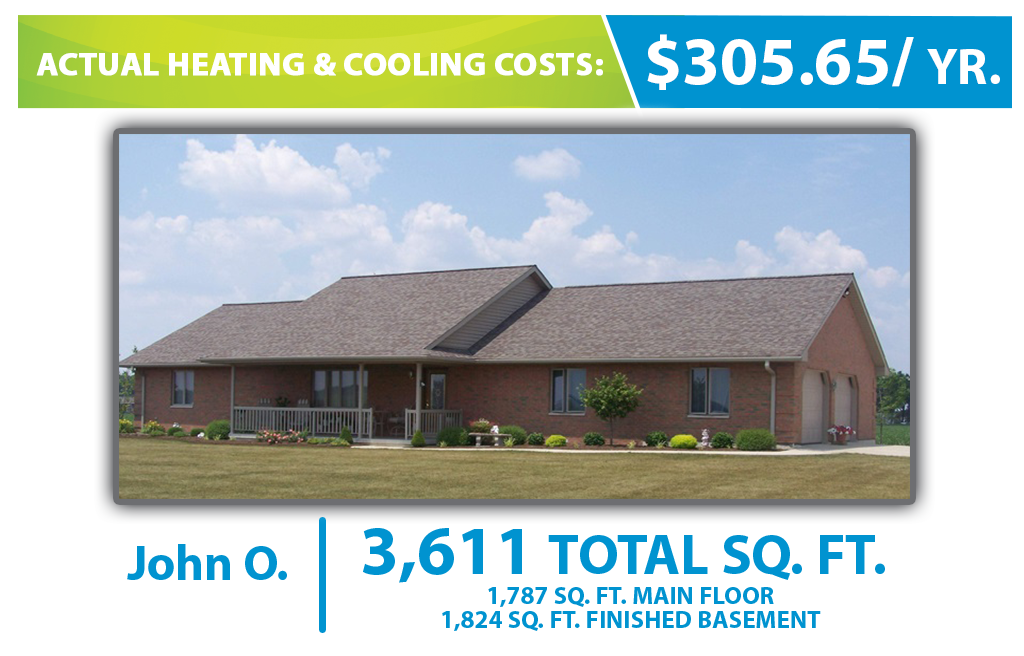

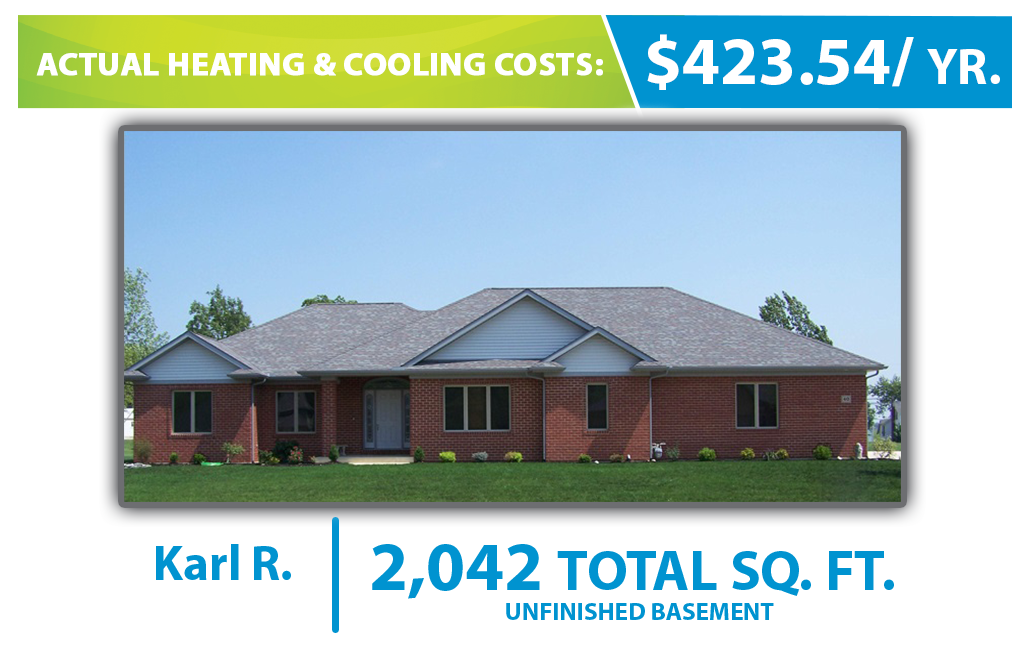


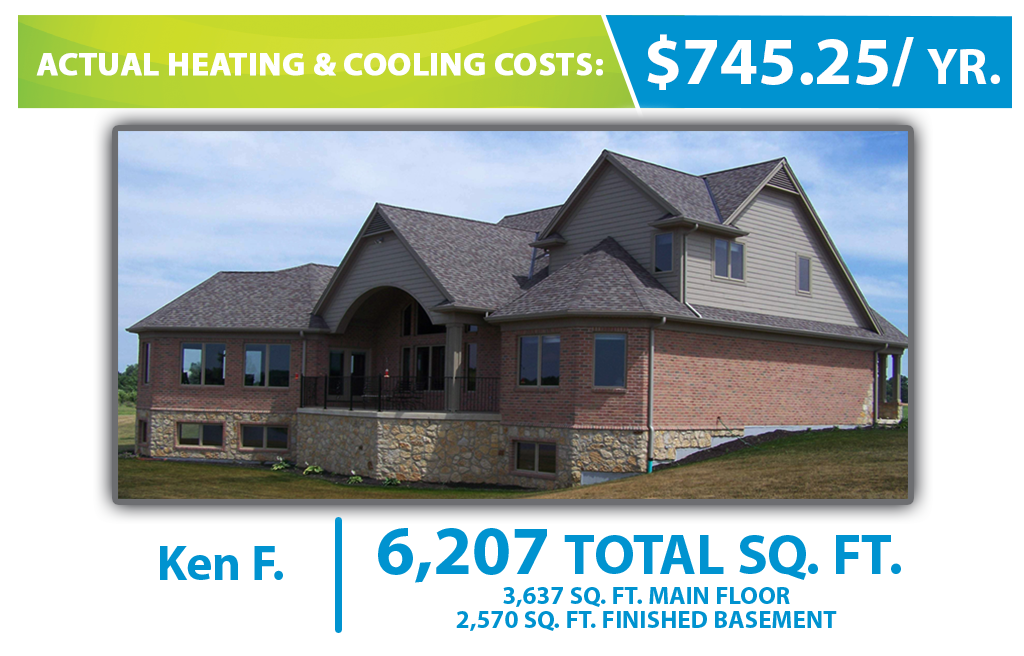

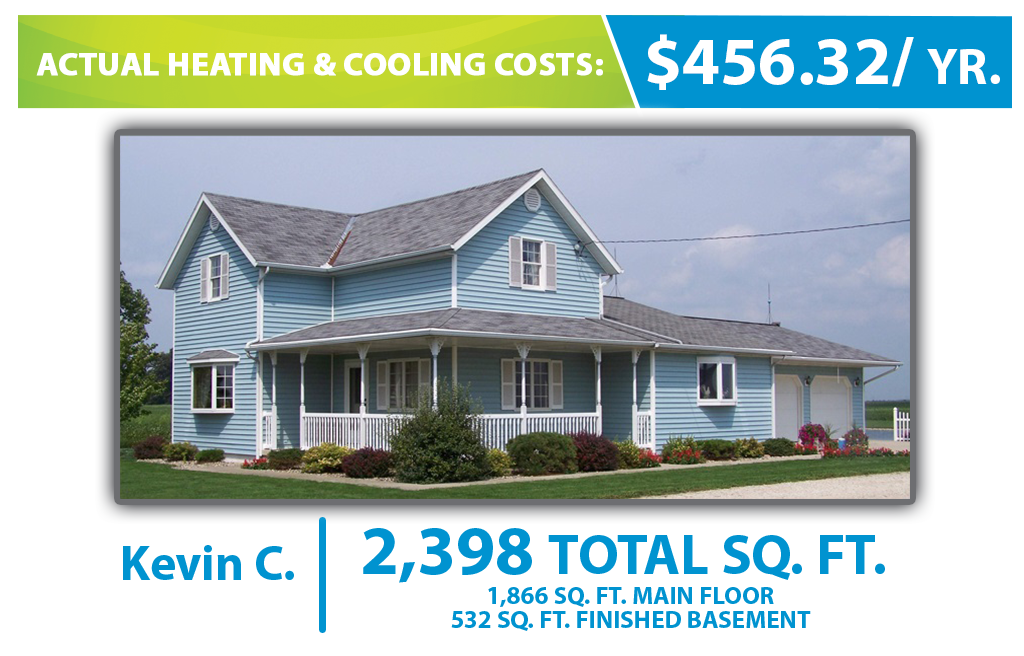





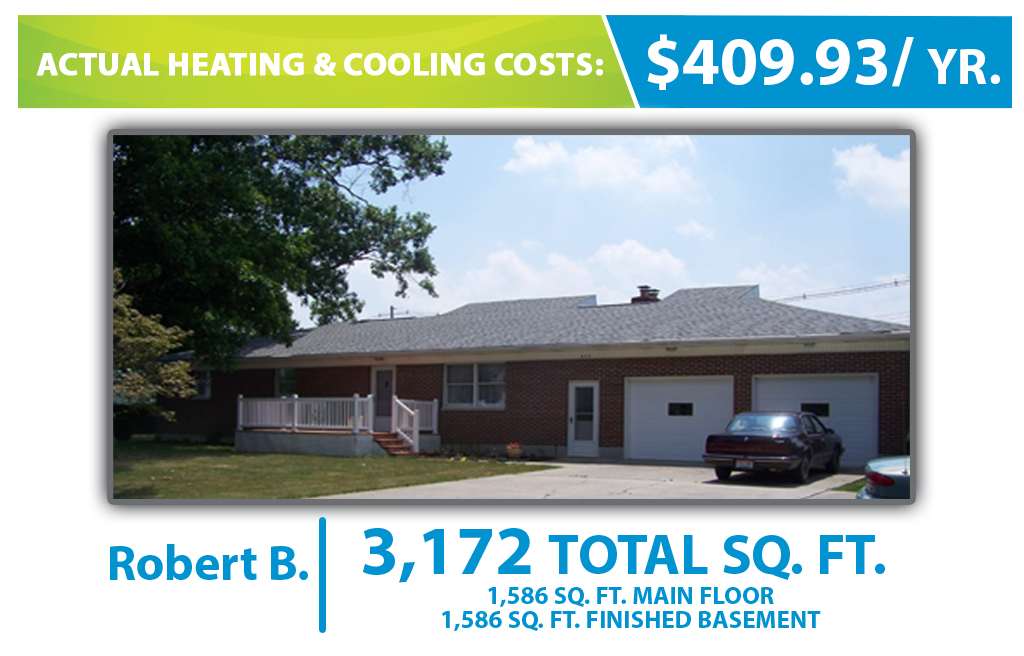
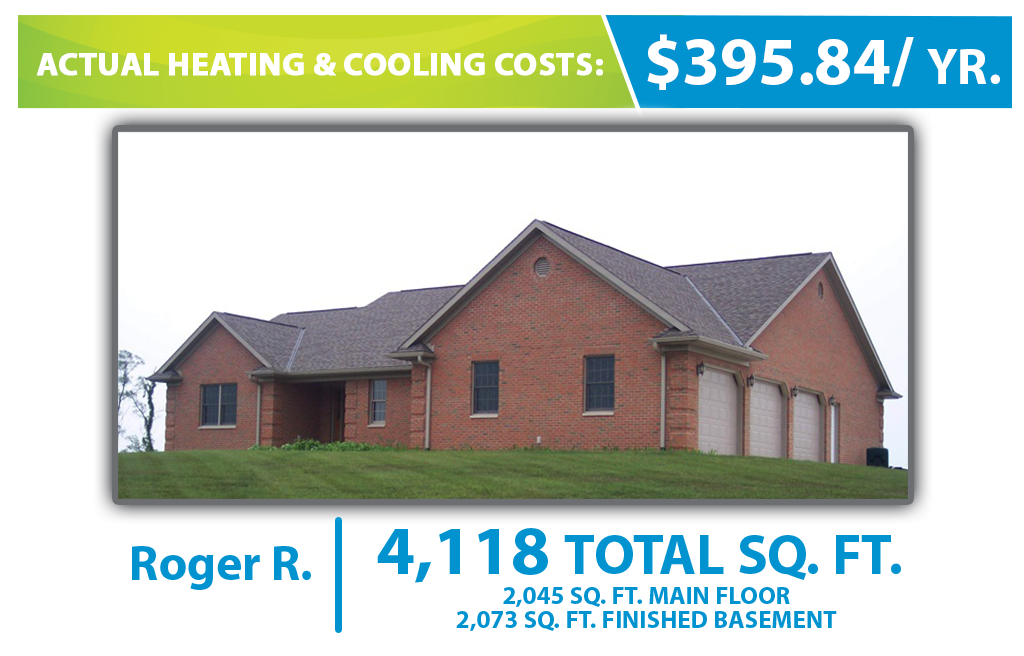
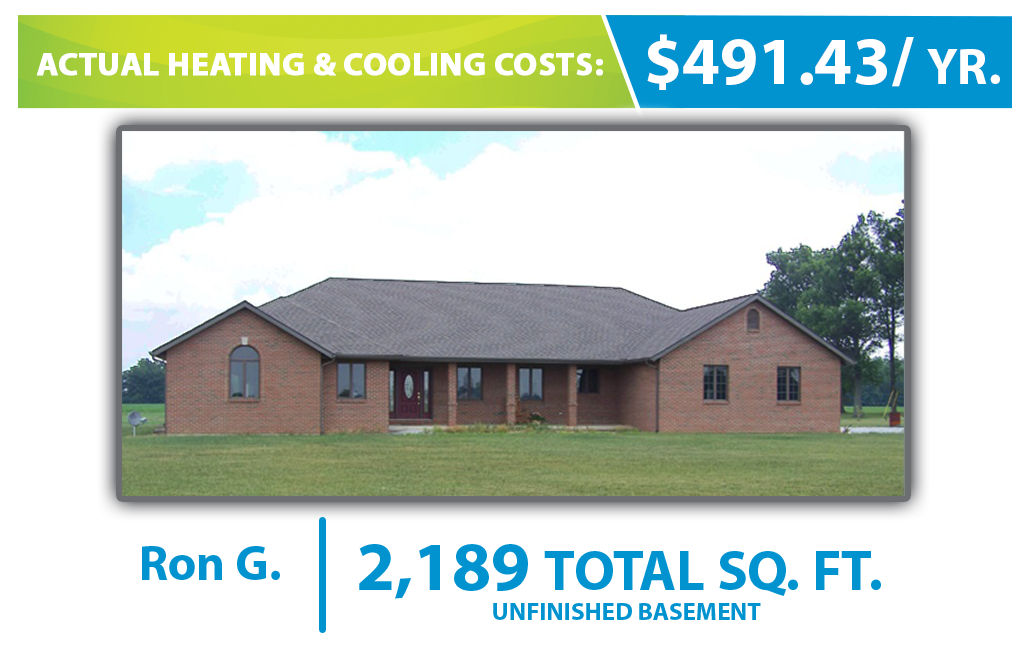



Savings Calculator

Frequently Asked Questions
-
Copper has a natural heat transfer advantage over plastic. As a highly conductive material, copper is one of the best methods of transferring heat making a much more efficient ground loop heat exchanger. Copper’s thermal conductivity (k) rate is more than 600 times greater than plastic, it’s this capability that allows copper to maximize the earth’s heat for your home. As a result, smaller diameter earth loops with smaller boreholes can be less expensive to drill compared to plastic pipe alternatives.
-
No, A water-source geothermal system is designed to pump water through the plastic ground loop, whereas a direct exchange DX geothermal unit, it pumps refrigerant through copper tubing. A copper loop cannot connect to a water-source unit, and a plastic loop cannot connect to a direct exchange unit.
-
Yes! Waterless™ direct exchange geothermal uses an EPA approved, environmentally friendly refrigerant, used in both a Direct Exchange geothermal (DX) and water source geothermal systems.
Even the EPA confirmed the safety of refrigerant in its statement about a DX geothermal system when it stated, “Refrigerant is a non toxic, inert gas, posing no direct health threat to humans–nor to ground water–and it can be used with confidence in underground heat exchangers as a part of a DX System.”
-
Hot water production is one of the optional benefits a direct exchange (DX) geothermal system can provide! A hot water heat exchanger can be built into a system to generate domestic hot water or hot water generation. Option #1 (the desuperheater) partially generates hot water and can supplement your hot water specifically designed to generate 100% of your domestic hot water needs. Studies done by the U.S. Department of Energy show that a geothermal system that provides heating, cooling, and 100% domestic hot water will provide the most energy savings and can reduce your homes overall utility cost more than any other heat pump design.
A hot water desuperheater will generally provide 120°F water and can supply most of the domestic water needs depending on the amount of consumption. The cost of water through the use of a desuperheater is pennies a day or can even be free.
-
A Waterless® geothermal compressor unit can be installed indoors or outdoors, while the air handler is always installed indoors.
The system has a very quiet operation, and provides a pleasant environment inside the home.
-
Yes, if the current system has ductwork then most likely the ductwork will be adequate for the new system (assuming it was designed properly to begin with). However, some duct modification may be necessary to achieve the maximum level of comfort. The ductwork should be evaluated by an HVAC professional during the initial home assessment. The contractor can determine the requirements and modifications necessary to accommodate the new system.
-
Some form of maintenance is required for all HVAC systems. Forced air systems with ductwork require the air filters to be changed on a regular basis, and for hydronic systems (that don’t have ductwork), it is recommended to test the pH of the water to ensure the water remains alkaline. It is also recommended to have a professional do a check on the entire system from time to time as well to ensure the system is running in normal operating conditions.
-
Geothermal ground loops can last as long as 50 plus years, including copper loops. It is one of the most stable metals and is non-corrosive in most soil conditions. With the proper measures in place, the longevity of copper can last for many generations. Each Waterless® geothermal system comes equipped with an Earth Loop Protection system to ensure a long life and integrity of the copper loop. This protection system is designed to protect the copper ground loop for a period of 75+ years if installed in an adverse soil condition. This same cathodic protection technology has been used for over 100 years, and is used to protect the underground gas pipelines from corrosion that run across America. The Waterless® Earth Loop Protection system can do the same for you and your copper ground loop.